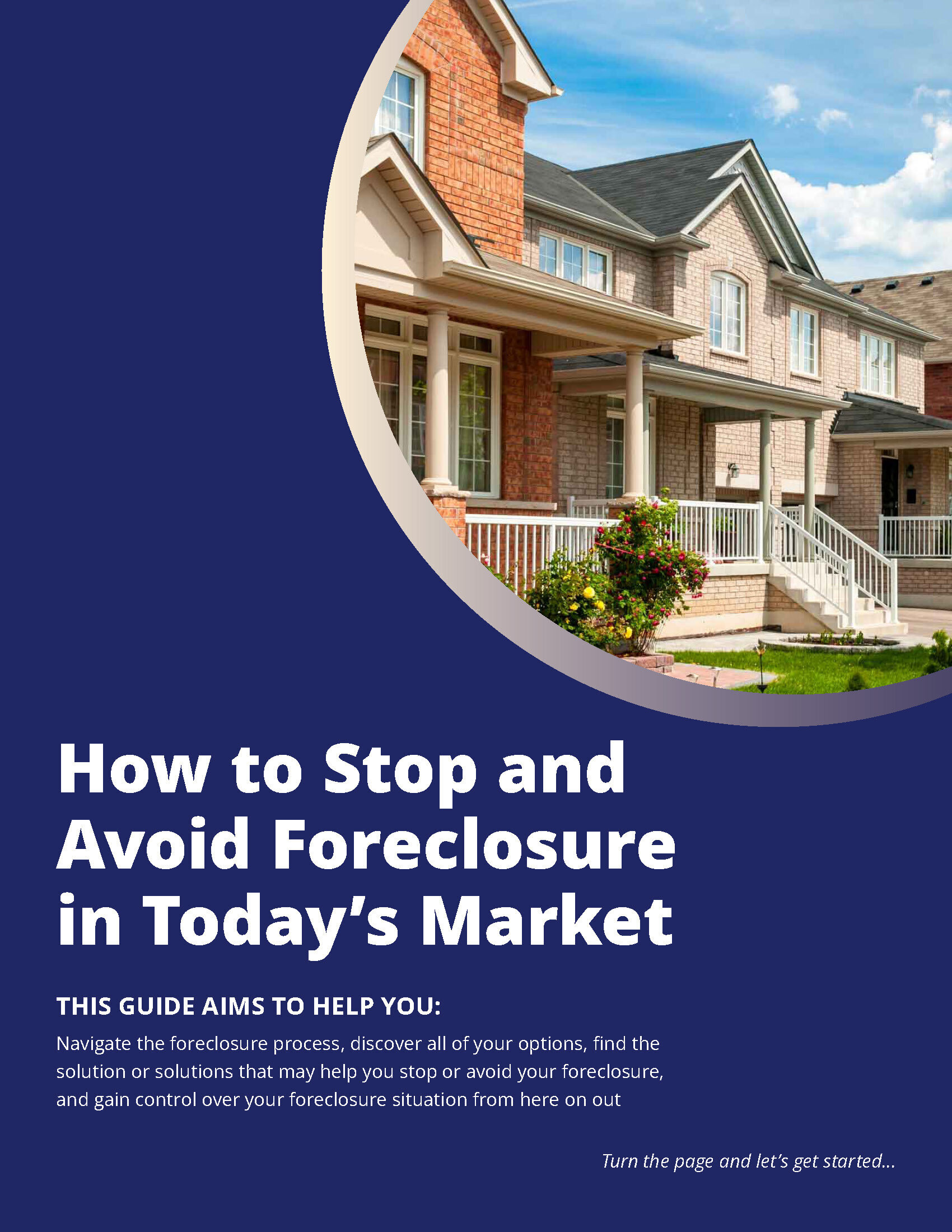
Resources To Help You Sell Your House Fast
We’ve compiled some resources on this page to help you sell your house fast or save you from foreclosure. We work with homeowners every day who need to sell their house but can’t do it the traditional route through a real estate agent… and people going through foreclosure. So, use us as a resource too. We’d be glad to answer your questions, help you better understand your options, and walk you through how our “home buying” service works… where we’ll make you a fair no-obligation, no-hassle offer. It’s simple, straightforward, and just may be perfect for you.
Understanding Your Home Selling Options
When you need to sell your house quickly, understanding all of your available options is crucial to making the right decision for your specific situation. Every homeowner faces unique circumstances, whether you’re dealing with financial hardship, relocating for work, going through a divorce, managing an inherited property, or simply need to move fast. The good news is that you have several paths forward, each with its own advantages and considerations.
Working With A Real Estate Agent
The traditional route of listing your home with a real estate agent is what most people think of first when considering selling their property. This method involves hiring a licensed professional who will list your home on the Multiple Listing Service (MLS), market it to potential buyers, schedule showings, negotiate offers, and guide you through the closing process.
The primary advantage of working with an agent is the potential to receive top dollar for your property, especially if your home is in good condition and you’re in a seller’s market. Agents bring marketing expertise, negotiation skills, and knowledge of local market conditions that can help maximize your sale price. They handle much of the paperwork and coordinate with other professionals involved in the transaction, including inspectors, appraisers, and title companies.
However, this traditional approach comes with significant considerations. First, there’s the cost. Real estate commissions typically range from five to six percent of the sale price, which can amount to thousands of dollars. On a three-hundred-thousand-dollar home, you might pay fifteen to eighteen thousand dollars in commission alone. You’ll also need to factor in closing costs, which can add another two to four percent of the sale price.
The timeline is another critical factor. From the moment you list your home until closing, the process typically takes anywhere from three to six months, sometimes longer depending on market conditions and your property’s condition. Before you can even list, you’ll likely need to invest time and money into repairs, staging, and preparing your home to show well. During the listing period, you’ll need to keep your house in showing condition, accommodate buyer tours often with little notice, and deal with the uncertainty of not knowing when or if an offer will come.
For homeowners who have time on their side, a property in good condition, and the financial resources to cover carrying costs while the home is on the market, working with an agent can be an excellent choice. But if you’re facing time pressure, your home needs significant repairs, or you can’t afford to wait months for a sale, this option may not be practical.
Selling Your House Yourself (For Sale By Owner)
Some homeowners choose to sell their property themselves, commonly known as FSBO (For Sale By Owner). This approach can save you the cost of agent commissions, potentially putting thousands of extra dollars in your pocket. You maintain complete control over the pricing, marketing, showing schedule, and negotiation process.
However, selling FSBO requires significant time, effort, and knowledge. You’ll need to accurately price your home, which can be challenging without access to comprehensive market data and professional pricing expertise. You’ll be responsible for all marketing efforts, from creating compelling listings and taking quality photos to promoting your property online and in your community. You’ll need to screen potential buyers, schedule and conduct showings, negotiate directly with buyers or their agents, and navigate the complex legal paperwork involved in a real estate transaction.
Many FSBO sellers find the process more overwhelming than anticipated. Without MLS access and agent networks, your property may receive less exposure to potential buyers. Studies show that FSBO homes often sell for less than agent-listed properties, sometimes negating the commission savings. The timeline can also be extended if you’re learning as you go.
FSBO can work well for homeowners who have real estate experience, significant time to dedicate to the sale, properties in high-demand areas, and buyers already lined up (such as selling to a friend or family member). For most people facing time constraints or challenging circumstances, the FSBO route adds stress without guaranteeing better results.
Selling To A Real Estate Investor
The third option, and often the fastest solution, is selling directly to a real estate investor or professional home-buying company. This method has grown in popularity because it offers speed, convenience, and certainty in situations where traditional methods fall short.
When you sell to an investor, the process is dramatically simplified. You don’t need to make any repairs or improvements to your property. Investors buy houses in as-is condition, whether your home needs minor cosmetic updates or major structural repairs. There’s no need to stage your home, keep it spotlessly clean for showings, or vacate for hours while strangers tour your property.
The timeline is where this option truly shines. While traditional sales take months, investor purchases can often close in as little as seven to fourteen days, or on whatever timeline works best for you. If you need to close quickly to avoid foreclosure, relocate for a job, or resolve an urgent financial situation, this speed can be invaluable. You receive a cash offer, which eliminates the uncertainty of buyer financing falling through at the last minute.
There are no commissions or fees to pay. Investors typically cover all closing costs, meaning the offer you receive is the amount you’ll actually walk away with (minus any liens or mortgages that need to be paid off). This transparency makes financial planning much simpler.
The tradeoff is that investor offers are typically below market value. Investors need to account for repair costs, carrying costs, and their profit margin, so they offer less than you might receive in a traditional sale with a well-maintained home. However, when you factor in the repairs you won’t make, the commissions and fees you won’t pay, the carrying costs you won’t incur during months on the market, and the certainty and speed of the transaction, many homeowners find that selling to an investor nets them a comparable amount with far less hassle.
This option makes the most sense when you need to sell quickly, your home needs significant repairs, you want to avoid the stress and uncertainty of traditional sales, you’re facing foreclosure or financial hardship, or you’re managing a property from a distance. It’s also ideal for inherited properties, houses in poor condition, properties with title issues, or situations where privacy and convenience are priorities.
Choosing The Right Option For Your Situation
The best-selling method depends entirely on your unique circumstances. Consider your timeline, your property’s condition, your financial situation, and your stress tolerance. If you have six months, a home in great condition, and want to maximize your sale price, an agent might be perfect. If you have real estate knowledge and a buyer network, FSBO could work. If you need speed, certainty, and convenience regardless of your home’s condition, selling to an investor may be your best solution.

Foreclosure Prevention and Financial Hardship Solutions
Facing foreclosure is one of the most stressful situations a homeowner can experience. The uncertainty, the financial pressure, the potential loss of your home and damage to your credit can feel overwhelming. However, it’s crucial to understand that you have options, and taking action early dramatically improves your chances of finding a positive solution.
Understanding The Foreclosure Process
Foreclosure is the legal process by which a lender attempts to recover the balance of a loan from a borrower who has stopped making payments. The process begins when you miss mortgage payments, typically after you’re thirty days late. After several missed payments, usually three to six months, your lender will send a formal notice of default, officially starting the foreclosure process.
The timeline varies significantly by state, as some states require judicial foreclosure (going through the court system) while others allow non-judicial foreclosure (following a process outlined in the mortgage contract). Judicial foreclosures can take six months to over a year, while non-judicial foreclosures may proceed more quickly, sometimes in as little as three to four months.
During this time, you’ll receive various notices and opportunities to resolve the situation. Understanding this timeline is critical because the earlier you act, the more options you have available. Once a foreclosure sale date is set, your window for finding alternative solutions narrows significantly.
Early Warning Signs You’re Heading Toward Foreclosure
Recognizing the warning signs early gives you time to take proactive steps. If you’re struggling to make your full mortgage payment each month, dipping into savings to cover housing costs, using credit cards to pay for necessities because your mortgage is consuming too much of your income, or you’ve already missed one or more payments, you’re at risk.
Other red flags include receiving calls or letters from your lender about late payments, being unable to catch up on missed payments even with extra income, facing other financial hardships like job loss, medical bills, or divorce, or feeling overwhelmed and avoiding communication with your lender.
Many homeowners fall into the trap of hoping the situation will improve on its own or feeling too embarrassed to seek help. This avoidance only reduces your options. The moment you realize you’re at risk, taking action is essential.
Strategies To Stop or Avoid Foreclosure
Several strategies can help you avoid foreclosure, and the right approach depends on whether your financial hardship is temporary or long-term, and whether you want to keep your home or would prefer to sell.
Loan Modification involves working with your lender to permanently change the terms of your mortgage to make payments more affordable. This might include reducing your interest rate, extending the loan term, or adding missed payments to the loan balance. Lenders prefer this option over foreclosure because it’s less costly for them, but you’ll need to demonstrate financial hardship and your ability to make modified payments.
Forbearance Agreement provides temporary relief if your hardship is short-term. Your lender agrees to reduce or suspend payments for a specific period, after which you’ll resume regular payments plus an additional amount to catch up on what you missed. This works well if you’re temporarily unemployed but expect to return to work, or if you’re waiting for an insurance settlement or other expected funds.
The repayment plan allows you to catch up on missed payments by adding an extra amount to your regular monthly payment over several months. If you’ve missed three months of payments totaling three thousand dollars, you might pay an extra five hundred dollars per month for six months while making your regular payment.
Refinancing can lower your monthly payment by securing a new loan with better terms, though this requires sufficient equity, decent credit, and steady income. If your financial situation has stabilized but your current mortgage payment is still too high, refinancing might provide a permanent solution.
Short Sale involves selling your home for less than you owe on the mortgage, with your lender agreeing to accept the sale proceeds as full satisfaction of the debt. This avoids foreclosure and is less damaging to your credit, though you’ll still lose your home. Short sales require lender approval and can be complex, but they’re better than foreclosure for both you and the lender.
Deed instead of Foreclosure means voluntarily transferring your property deed to the lender in exchange for being released from your mortgage obligation. This is typically faster and less costly than foreclosure for both parties, though it still results in losing your home and impacts your credit.
Selling Your House Quickly can be the most effective solution if you have enough equity or can sell for enough to pay off your mortgage. By selling before the foreclosure process completes, you avoid the severe credit damage of foreclosure, potentially walk away with cash from any equity, maintain more control over the timeline and process, and eliminate the stress and uncertainty of foreclosure proceedings.
How Selling Your House Can Prevent Foreclosure
When you’re behind on mortgage payments and facing foreclosure, selling your house quickly can provide the fastest path to resolution. If you have equity in your home, selling allows you to pay off the mortgage, catch up on any back payments, and potentially walk away with cash. Even if you’re underwater (owing more than the home is worth), a short sale can still prevent the foreclosure from completing.
The challenge with traditional home sales when facing foreclosure is time. If you’re already in the foreclosure process, you may not have the three to six months typically required to sell through an agent. This is where selling to a real estate investor becomes particularly valuable. Investors can often close in seven to fourteen days, fast enough to beat foreclosure deadlines.
By selling quickly, you stop the foreclosure process, protect your credit from the severe damage of a completed foreclosure (which can drop your credit score by two hundred points or more and stay on your credit report for seven years), eliminate the debt and stress of the situation, and have the freedom to move forward with your life.
Taking Action: Your Next Steps
If you’re facing foreclosure or serious financial hardship, the worst thing you can do is nothing. Contact your lender immediately to discuss options; they have loss mitigation departments specifically designed to help homeowners avoid foreclosure. Gather your financial documents including pay stubs, bank statements, tax returns, and a hardship letter explaining your situation.
Explore all available resources. The FDIC offers a comprehensive Foreclosure Prevention Toolkit with detailed information and strategies. HUD-approved housing counselors provide free advice and can help you navigate negotiations with your lender. These counselors are trained, certified, and work for non-profit organizations with your best interests in mind.
Consider whether keeping your home is realistic or whether selling might provide a better outcome. Be honest about whether your financial situation is likely to improve enough to sustain homeownership, and whether the stress of fighting to keep a home that may no longer be affordable is worth it compared to selling, eliminating the debt, and starting fresh.
Get a professional evaluation of your home’s value and your options. We offer free, no-obligation consultations to help homeowners understand their situation, evaluate whether selling makes sense, and provide a fair cash offer if it does. There’s no pressure, no obligation, and we’re happy to serve as a resource even if you decide a different option is better for you.
Available Resources and Support
Free Guide: The Pros and Cons of Selling A House To A Professional House Buyer – We wrote this guide to walk through your three options when you need to sell your house: working with an agent, selling it yourself, or selling to a real estate investor. This guide will tell you the pros, cons, costs, and timeline associated with each option, and show you which options make sense in what situations. Download the guide for free on our website.
Foreclosure Resources and Information – FDIC Foreclosure Prevention Information – The FDIC created an excellent Foreclosure Prevention Toolkit. If you’re in foreclosure, this comprehensive resource provides detailed information, worksheets, and strategies.
5 Ways To Stop or Avoid Foreclosure In Today’s Market – FREE Guide: Need more information on the foreclosure process and how to stop foreclosure? Download our free Stop Foreclosure Guide for detailed strategies and action steps.
Remember, you’re not alone in this situation. Thousands of homeowners face foreclosure every year, and many find solutions that allow them to move forward successfully. The key is taking action quickly, being honest about your situation, and exploring all available options. Whether you’re facing foreclosure, dealing with financial hardship, or simply need to sell your house quickly for any reason, we’re here to help. Contact us anytime if you have questions, want a no-hassle situation evaluation, or want to learn more about how we can help homeowners avoid foreclosure or sell unwanted properties for cash. Your consultation is completely free and comes with no obligation whatsoever.